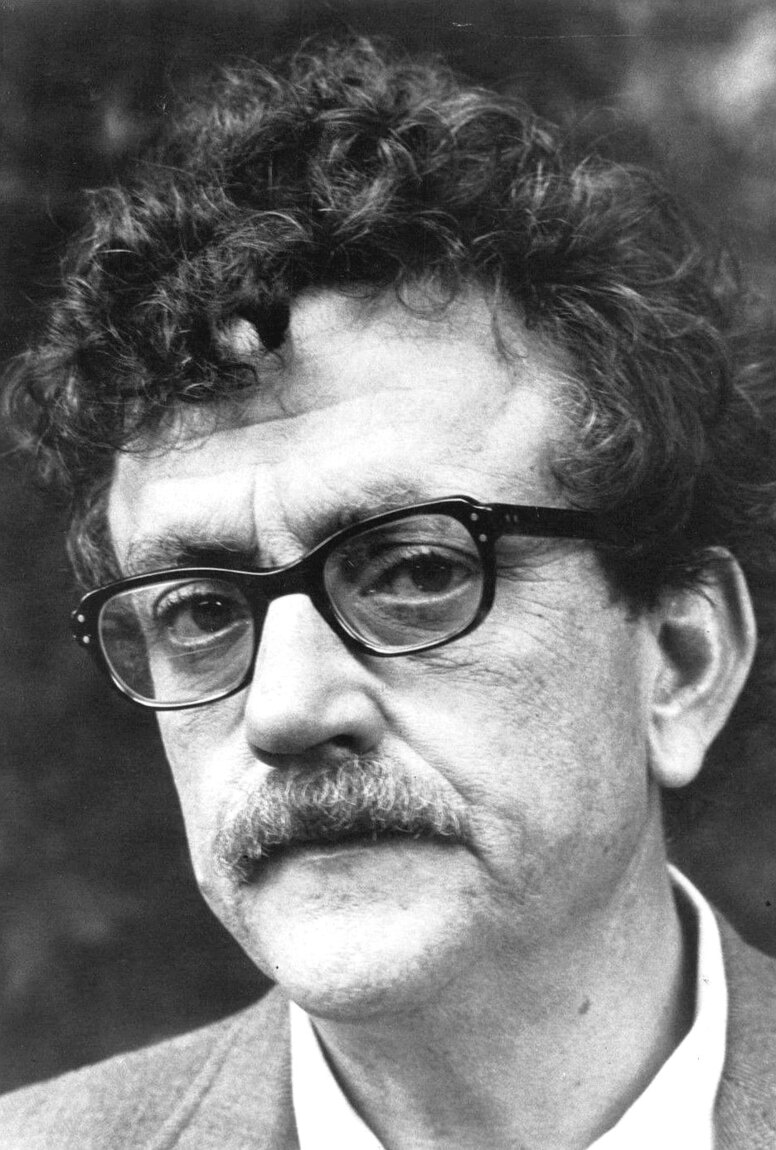
Look at your habits: Are they the product of innumerable little cowardices and lazinesses...or of your courage and inventive reason?
It is by going down into the abyss
that we recover the treasures of life.
Where you stumble,
there lies your treasure.
The very cave you are afraid to enter
turns out to be the source of
what you are looking for.
The damned thing in the cave
that was so dreaded
has become the center.
Get action; do things; be sane; don't fritter away your time; create, act, take a place wherever you are and be Somebody; get action.
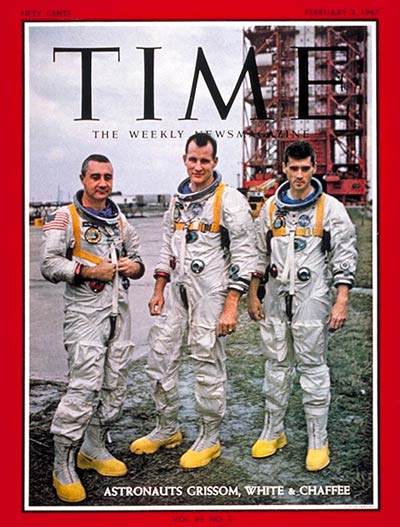
If we die, we want people to accept it. We are in a risky business, and we hope that if anything happens to us, it will not delay the program. The conquest of space is worth the risk of life.
One of the few things I know about writing is this: spend it all, shoot it, play it, lose it, all, right away, every time. Do not hoard what seems good for a later place in the book, or for another book; give it, give it all, give it now. The impulse to save something good for a better place later is the signal to spend it now. Something more will arise for later, something better. These things fill from behind, from beneath, like well water. Similarly, the impulse to keep to yourself what you have learned is not only shameful, it is destructive. Anything you do not give freely and abundantly becomes lost to you. You open your safe and find ashes.
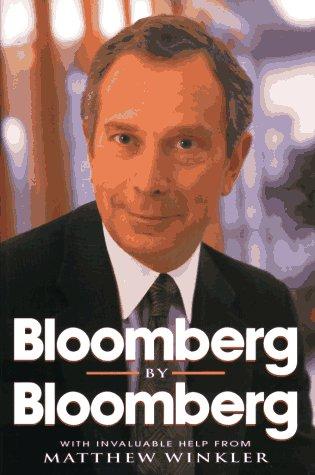
And, as I would learn later on in my life, at Salomon Brothers and in my own company, it's the “doers,” the lean and hungry ones, those with ambition in their eyes and fire in their bellies and no notions of social caste, who go the furthest and achieve the most.
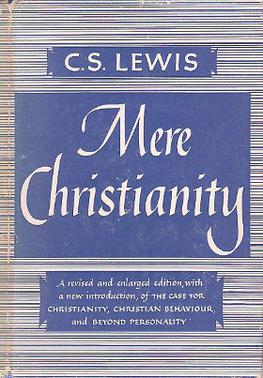
Good and evil both increase at compound interest. That is why the little decisions you and I make every day are of such infinite importance. The smallest good act today is the capture of a strategic point from which, a few months later, you may be able to go on to victories you never dreamed of. An apparently trivial indulgence in lust or anger today is the loss of a ridge or railway line or bridgehead from which the enemy may launch an attack otherwise impossible.
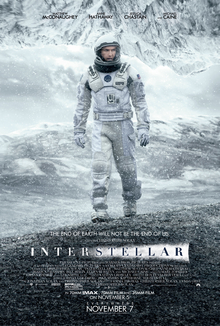
We used to look up at the sky and wonder at our place in the stars. Now we just look down, and worry about our place in the dirt.
You know the secret, the difference between Heaven and Hell, is like, doing your work.
You feel really shitty if you don't do your work, if you do your work, it's fuckin' awesome.
You can do it like it's a great weight on you, or you can do it like it's part of the dance.
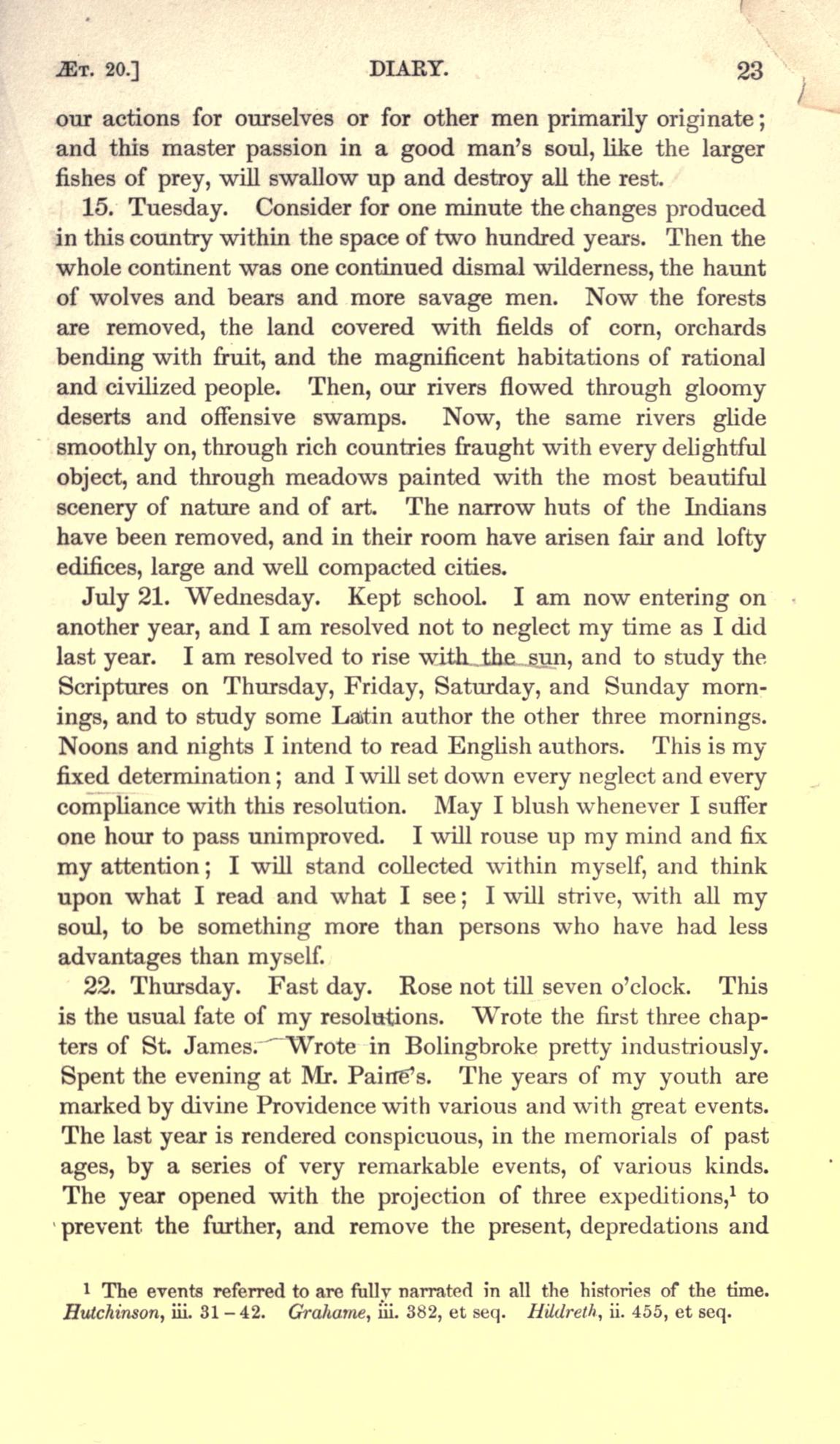
I am now entering on another year, and I am resolved not to neglect my time as I did last year. I am resolved to rise with the sun, and to study the Scriptures on Thursday, Friday, Saturday, and Sunday mornings, and to study some Latin author the other three mornings. Noons and nights I intend to read English authors. This is my fixed determination; and I will set down every neglect and every compliance with this resolution. May I blush whenever I suffer one hour to pass unimproved. I will rouse up my mind and fix my attention; I will stand collected within myself, and think upon what I read and what I see; I will strive, with all my soul, to be something more than persons who have had less advantages than myself.
Life starts all over again when it gets crisp in the fall.
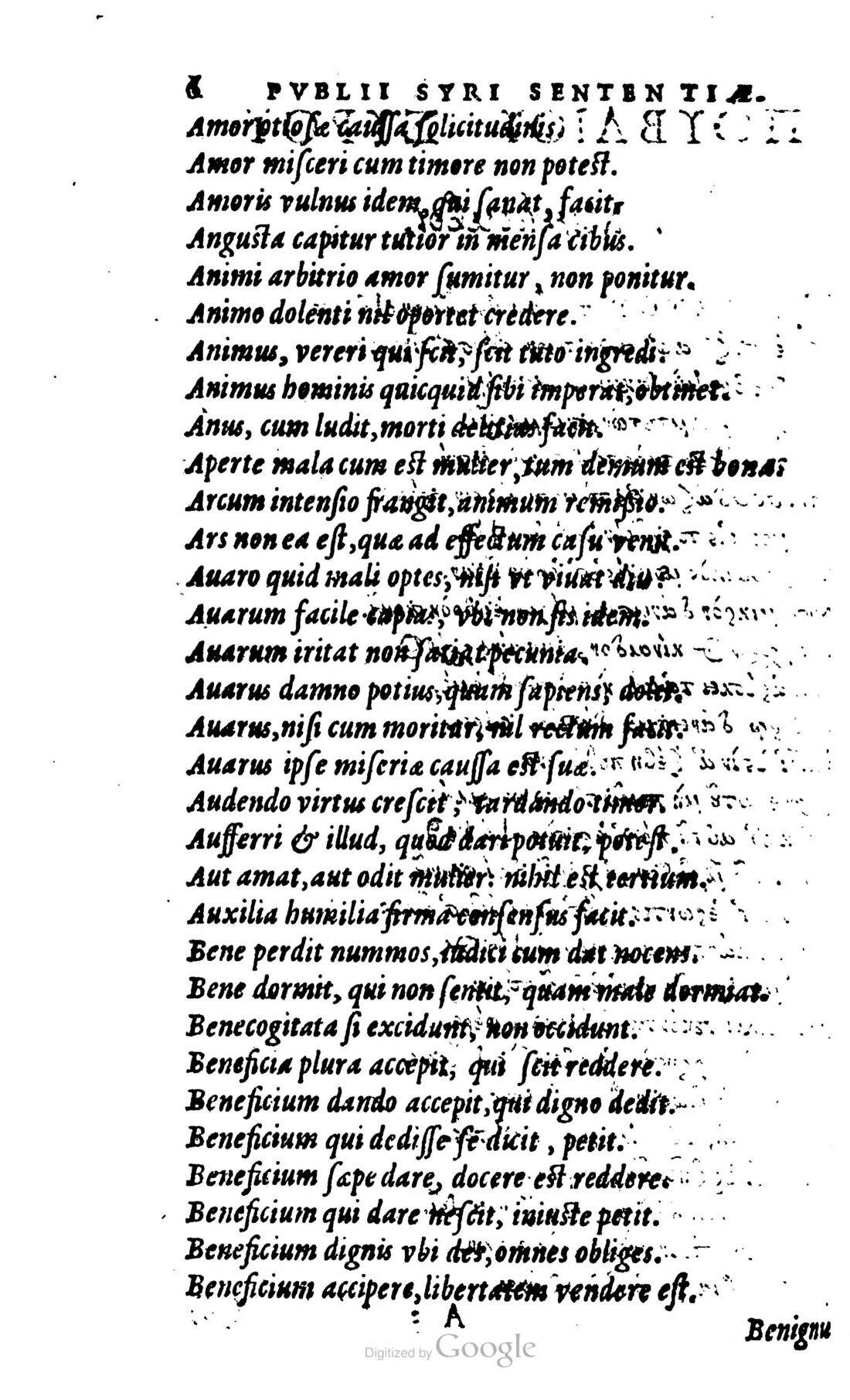
Courage grows by daring, fear by delay.
Fear doesn't keep death away, it keeps life away!
A dead thing can go with the stream, but only a living thing can go against it.
In a time of drastic change it is the learners who inherit the future. The learned usually find themselves equipped to live in a world that no longer exists.
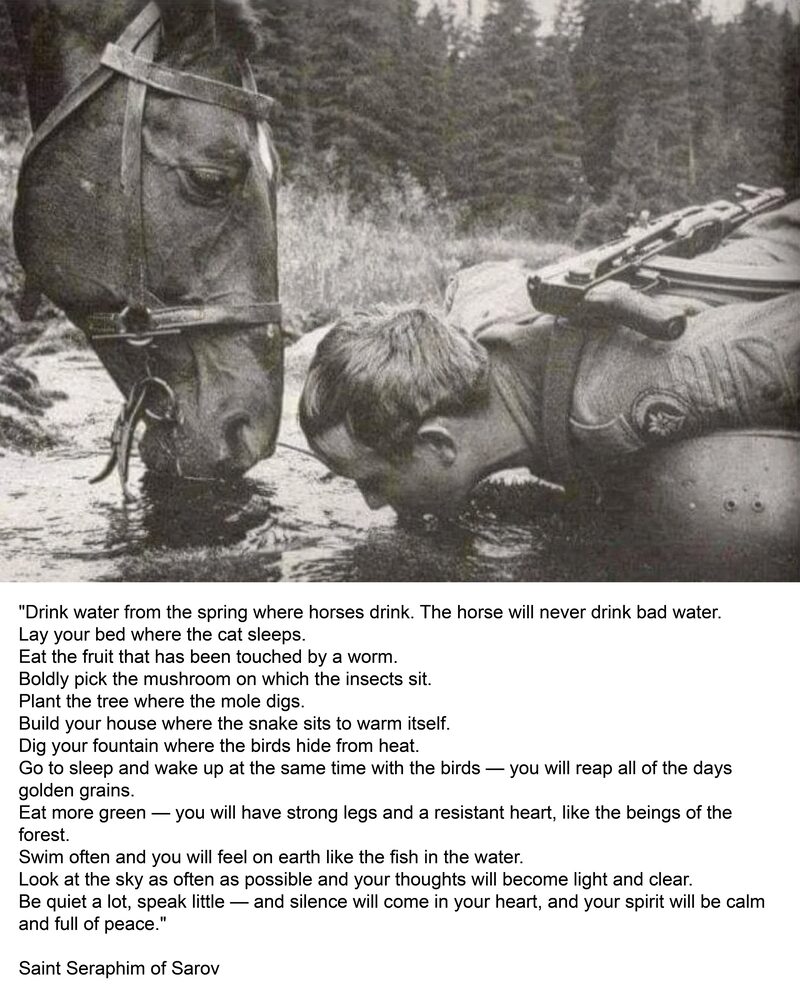
Drink water from the spring where horses drink. The horse will never drink bad water.
Lay your bed where the cat sleeps.
Eat the fruit that has been touched by a worm.
Boldly pick the mushroom on which the insects sit.
Plant the tree where the mole digs.
Build your house where the snake sits to warm itself.
Dig your fountain where the birds hide from heat.
Go to sleep and wake up at the same time with the birds - you will reap all of the days golden grains.
Eat more green - you will have strong legs and a resistant heart, like the beings of the forest.
Swim often and you will feel on earth like the fish in the water.
Look at the sky as often as possible and your thoughts will become light and clear.
Be quiet a lot, speak little - and silence will come in your heart, and your spirit will be calm and full of peace.
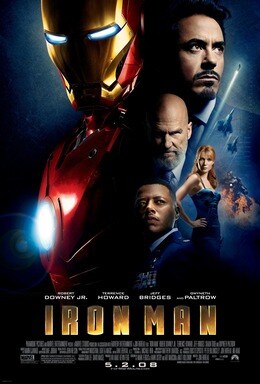
Tony Stark was able to build this in a cave! With a box of scraps!
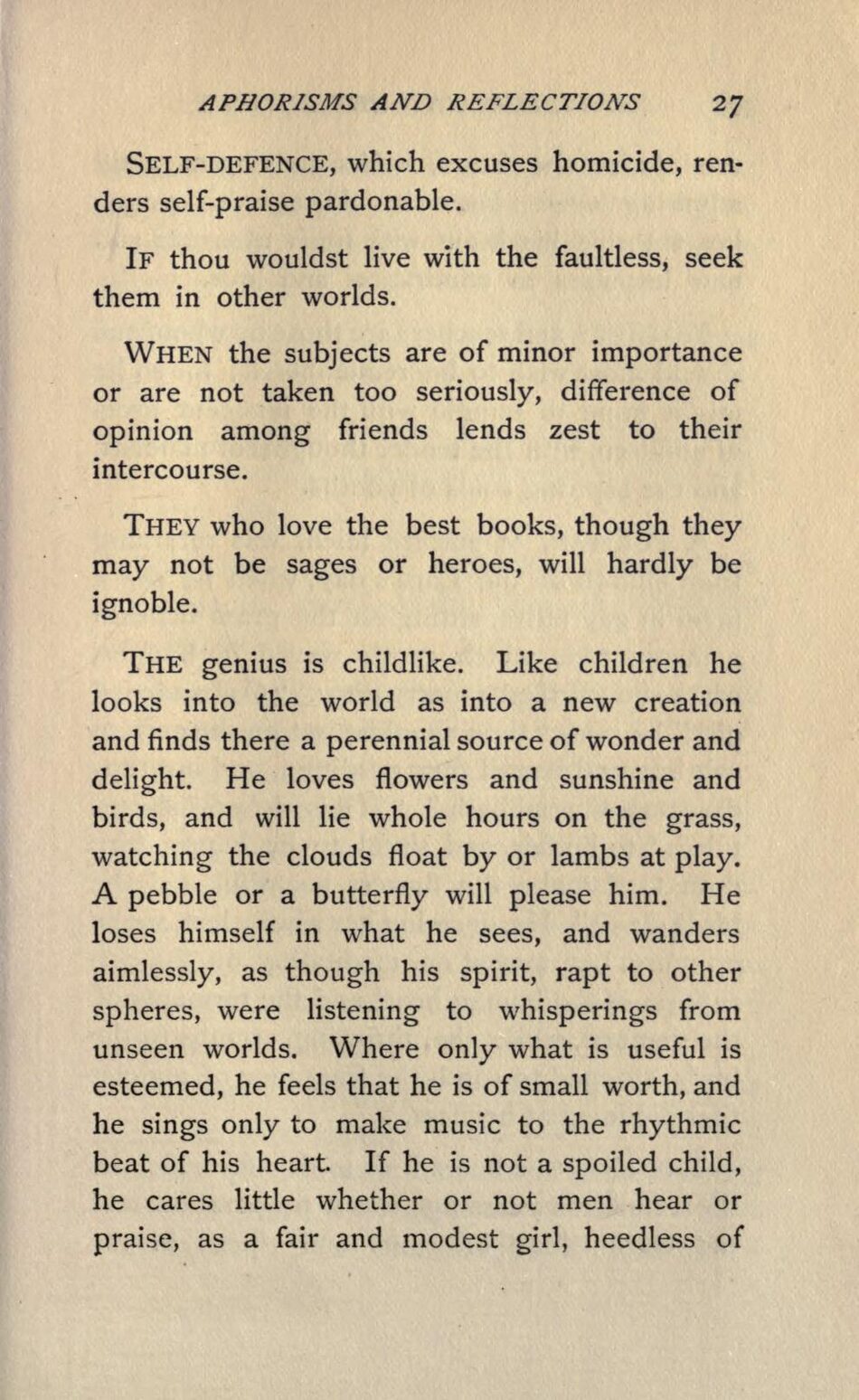
The genius is childlike. Like children he looks into the world as into a new creation and finds there a perennial source of wonder and delight. He loves flowers and sunshine and birds, and will lie whole hours on the grass, watching the clouds float by or lambs at play. A pebble or a butterfly will please him. He loses himself in what he sees, and wanders aimlessly, as though his spirit, rapt to other spheres, were listening to whisperings from unseen worlds. Where only what is useful is esteemed, he feels that he is of small worth, and he sings only to make music to the rhythmic beat of his heart. If he is not a spoiled child, he cares little whether or not men hear or praise, as a fair and modest girl, heedless of the charm she bears, walks indifferent amid admiring eyes. Even in old age his young heart thrills his brain with fresh thoughts and new impulses to admiration and love. Mothers and teachers are those by whom one should most wish to be remembered; for so he might hope to mingle with the innocent loves of children, with the tender thoughts of maidens, and the aspiring souls of youths.
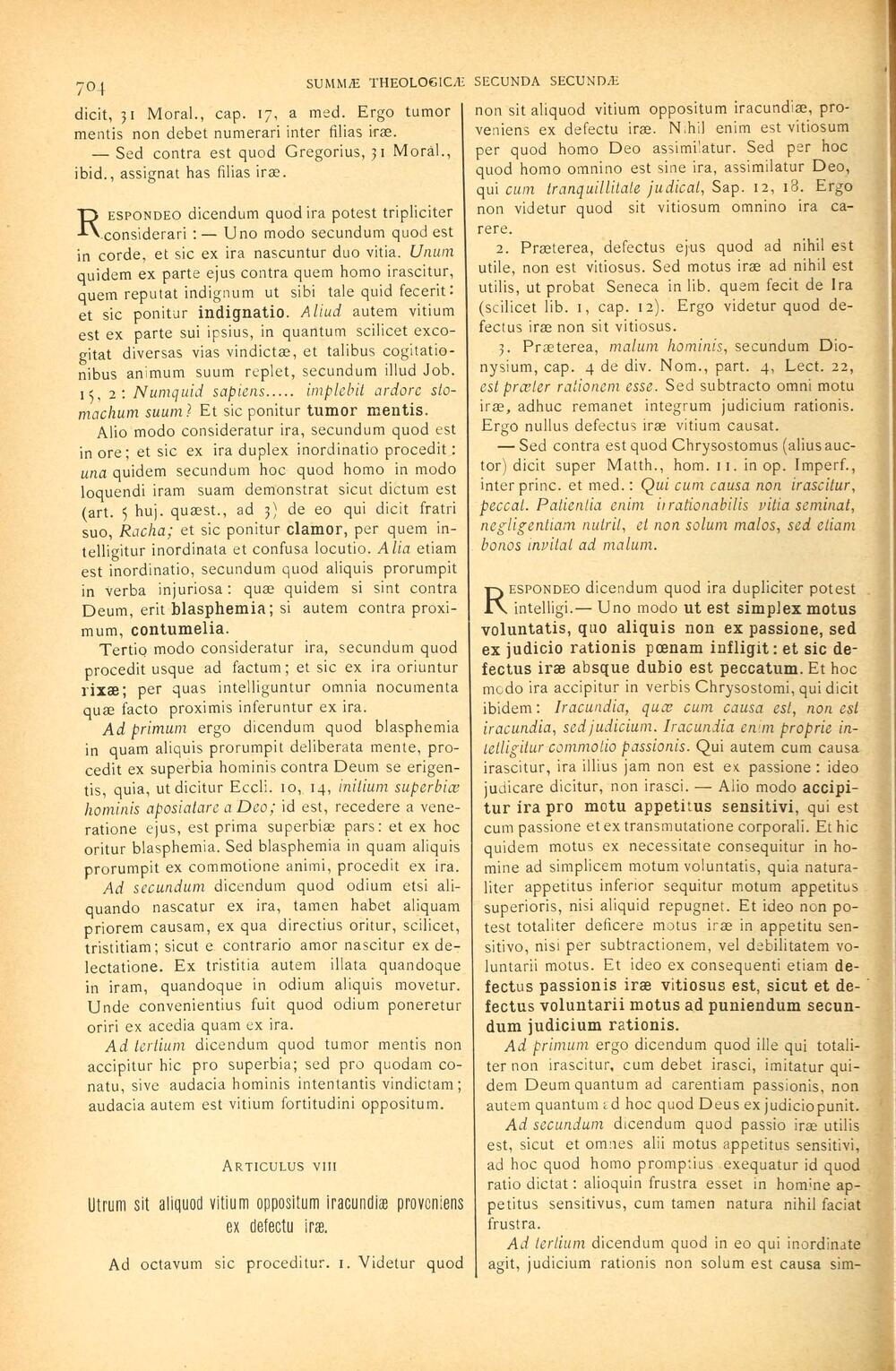
He who is not angry when there is just cause for anger is immoral. Why? Because anger looks to the good of justice. And if you can live amid injustice without anger, you are immoral as well as unjust.
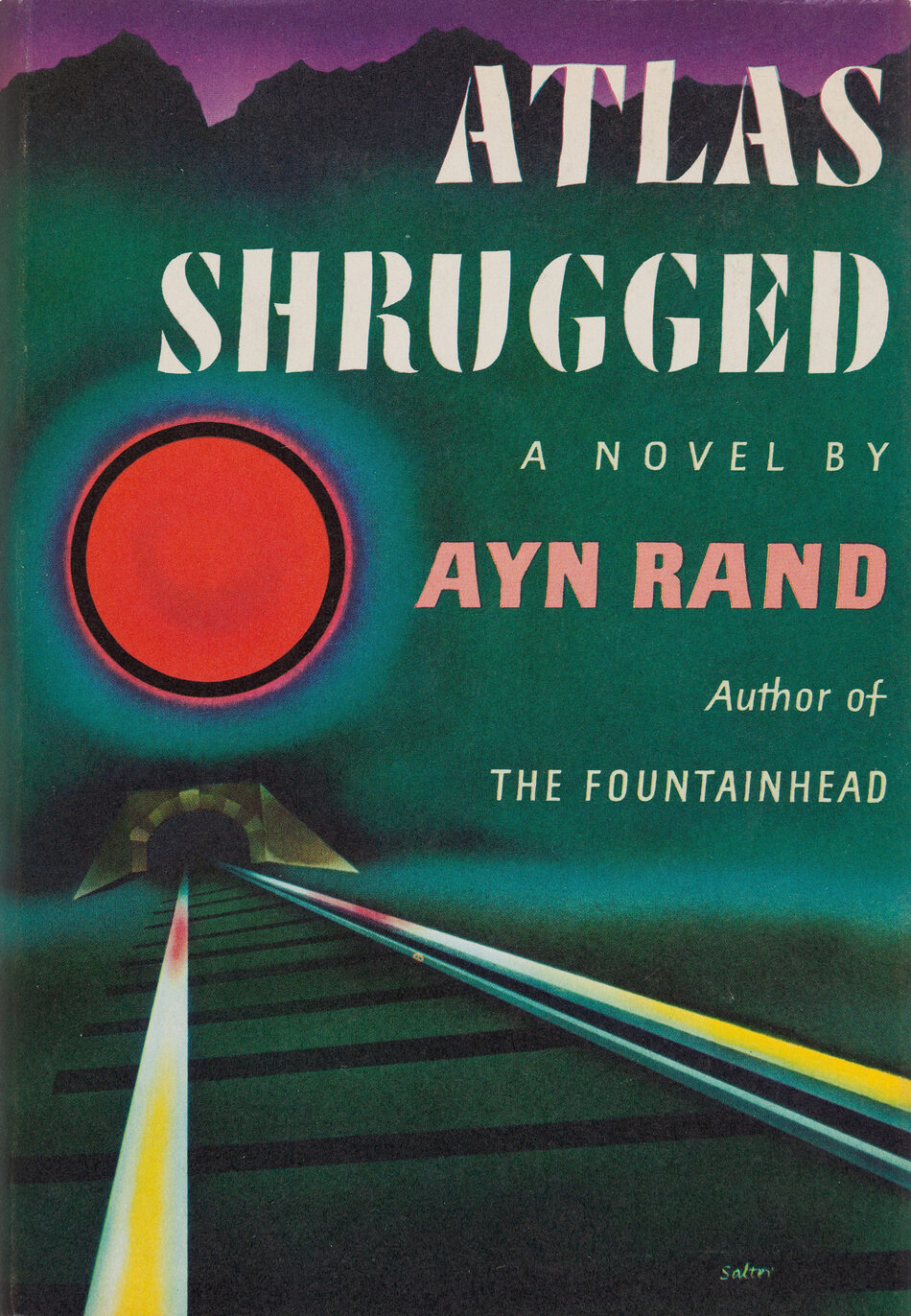
Do you wish to know whether that day is coming? Watch money. Money is the barometer of a society's virtue. When you see that trading is done, not by consent, but by compulsion, when you see that in order to produce, you need to obtain permission from men who produce nothing, when you see that money is flowing to those who deal, not in goods, but in favors, when you see that men get richer by graft and by pull than by work, and your laws don't protect you against them, but protect them against you, when you see corruption being rewarded and honesty becoming a self-sacrifice, you may know that your society is doomed. Money is so noble a medium that it does not compete with guns and it does not make terms with brutality. It will not permit a country to survive as half-property, half-loot.
Oh, she says well, you're not a poor man. You know, why don't you go online and buy a hundred envelopes and put them in the closet? And so I pretend not to hear her. And go out to get an envelope because I'm going to have a hell of a good time in the process of buying one envelope. I meet a lot of people. And, see some great looking babes. And a fire engine goes by. And I give them the thumbs up. And, and ask a woman what kind of dog that is. And, and I don't know. The moral of the story is, is we're here on Earth to fart around. And, of course, the computers will do us out of that. And, what the computer people don't realize, or they don't care, is we're dancing animals. You know, we love to move around. And, we're not supposed to dance at all anymore.